

 Climate change isn’t exclusively a prominent environmental issue; it remains an acute economic variable for professional rental property investors. Deviating weather systems, more intense climate anomalies, and recurring seasonal stress on buildings are visibly amplifying long-term maintenance expenses. The climate’s impact on rentals today is accelerating wear on roofs, HVAC systems, foundations, and exteriors, making climate-related maintenance a necessary foundation for protecting your property and wisely planning for the future.
Climate Impact on Rentals & Why Investors Can’t Ignore the Shift
For decades, basic rental property maintenance adhered to highly predictable patterns. This holds especially true for seasonal maintenance, which was universally executed at roughly identical calendar dates every year. Today, those structural norms are quickly deteriorating along with our changing climate. Extreme weather and compounding climate shifts are undeniably changing how often rental properties need repairs, how long major systems can last, and how much investors must budget for regular upkeep.
In reality, the most perplexing element of this paradigm is that the climate impact properties experience is not simply a product of one massive weather disaster. It manifests as cumulative stress over time: progressively hotter summers, overwhelming rainfalls, stronger storms, and fluctuating sub-zero temperatures that slowly but surely drive increased wear and maintenance costs.
For sophisticated rental property owners, this translates directly into:
- Faster replacement cycles for fundamental utility systems
- An urgent requirement for frequent inspections and preventative repairs
- Stricter long-term operating expenses (if updates are omitted)
Unfortunately, neglecting changing climate trends can quietly wash away a portfolio’s profitability over the long run. For this precise reason, smart investors must construct solutions today to mitigate the impact our changing climate will have on their rental yields.
Key Climate-Driven Maintenance Challenges
If we reflect on how climate and the environment impact rental properties, it stands out that property exteriors will be the very first zones to show signs of increasing wear. Beyond the shell, main utility networks are also highly endangered by modern climate change trends. A few of the key maintenance challenges that property owners must understand include:
- Heavier Rainfall and Flood Risk: Increased rainfall layers heavy strain upon roof systems, gutter channels, landscaping lines, and structural foundations. Properties far removed from official flood zones can still deal with sudden moisture intrusion, causing structural mold, decaying timber, and deep structural concerns that spike property maintenance costs.
- Rising Temperatures and Heat Stress: Elevated summer temperatures cause HVAC systems to work longer and harder. Roofing materials, exterior sealants, and siding finishes also decay with greater speed when enduring prolonged heat and UV exposure, elevating the rate of replacements and repairs.
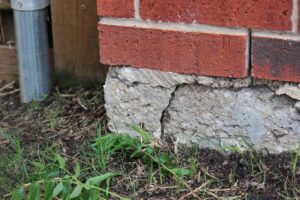
- Colder Extremes and Freeze-Thaw Cycles: In sub-zero regions, wildly swinging temperatures create repeated freeze-thaw cycles. This situation leads to split concrete slabs, deteriorated stone masonry, and frozen or burst pipes, which are universally costly and disruptive for landlords and tenants.
- Increased Storm Intensity and Wind Damage: Stronger storms elevate the risk of detached siding, broken windows, shattered fencing, and uprooted trees. Even when your standard insurance covers major events, high deductibles and uncompensated emergency repairs still degrade cash flow.
Prompted by these and other climate-related events, the accumulating stress of climate change magnifies property wear and tear and accelerates the normal aging process of building materials. Roofs give out sooner, exterior paint peels faster, and heavy mechanical systems reach the end of their functional lifespans earlier than model numbers suggest.
Over time, this accelerated wear compounds costs. Upkeep that once called for required maintenance on a relaxed 10-to-15-year cycle can now need attention much sooner, disrupting your capital long-term budgeting and overall investment return goals.
Real Estate Climate Upkeep Strategies That Protect ROI
Given a climate-stressed environment, adopting an unplanned schedule for repair and maintenance becomes immensely more punitive to the pocketbook. Emergency repairs, off-schedule trade fees, and lessee relocation accommodations all attach quiet operational costs that erode overall yields.
Preventive maintenance, as a better option, guarantees predictability. By sorting out minor physical issues ahead of schedule, landlords find themselves able to extend and stabilize operating expenses despite volatile meteorological changes.
Without question, a calculated perspective on climate maintenance in real estate centers on structural integrity and preemptive management. Accordingly, elite property groups are increasingly demanding:
- More frequent inspections of high-probability failure points
- Climate-defending materials and upgrades
- Refined drainage, ventilation, and insulation
- Timely repairs to disrupt weather-related cost escalation
When executed properly, these steps continuously help to control costs and reduce surprise expenses.
Climate Trends Are a Maintenance Reality, Not a Future Problem
The climate-related impact on rental properties is visibly transforming long-term maintenance costs. Real estate operators who understand this baseline change immediately and formulate an outlook beforehand will be perfectly poised to protect and preserve the value and cash flows of their assets. Clearly, climate-aware maintenance isn’t optional; it’s strategic.
Over at Real Property Management Seacoast New Hampshire, maintenance forecasting deals with current shifting markets rather than antiquated ideas. The seasoned local experts in Dover and matching neighborhoods are enthusiastic to assist you. Contact us by clicking online now or picking up 603-343-2202 to observe how our defensive, climate-aware maintenance operations assist rental property investors in executing portfolios with immense clarity.
This content is provided for general informational and educational purposes only and does not constitute financial, legal, tax, or investment advice. Readers should consult with licensed professionals regarding their specific circumstances.
We are pledged to the letter and spirit of U.S. policy for the achievement of equal housing opportunity throughout the Nation. See Equal Housing Opportunity Statement for more information.
