

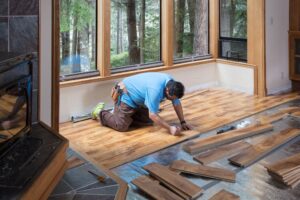
 “Low maintenance” flooring might seem ideal for rental properties. However, no flooring system is fully hands-free in application. The true cost of rental flooring maintenance is governed by how materials endure tenant lifestyles, occupancy rotations, and long-term wear. Exploring how different property materials behave in different rental settings can help investors like you make smarter flooring choices for their rental properties.
Why Flooring Choices Matter More Than Investors Think
Flooring is among the most apparent and heavily utilized elements inside a rental property. Its condition impacts resident satisfaction, your power to attract new renters, and ongoing maintenance costs. Installing the wrong flooring can lead to problems such as early failure and lost profitability.
That’s why smart investors see rental flooring as a strategic investment rather than simply an appearance-based choice. It directly affects cash flow and the lifespan of the flooring.
What “Low-Maintenance” Really Means in Rental Properties
Manufacturers often label flooring as “low maintenance,” but the phrase rarely matches real-world rental conditions. So, what is low maintenance in practice? It generally means:
- Fewer repairs over time
- Minimal cleaning requirements
- Durable performance under repeated usage
Low maintenance is not synonymous with “no maintenance,” an essential point. Even the best materials require proper installation, attention, and maintenance. Therefore, quality rental flooring maintenance focuses on easing effort, not completely avoiding it.
Popular Low-Maintenance Flooring Options: Pros and Hidden Cons
There are numerous low-maintenance flooring options, each with unique advantages and hidden drawbacks. Here are the top choices for rental properties:
- Luxury Vinyl Plank (LVP): LVP is widely chosen because it resists water better than many other materials and stands up to everyday use. Scratches and dents may occur under heavy furniture, and uneven floors can be challenging. Individual planks can be replaced, though repair blending may be imperfect.
- Tile Flooring: Tile is durable and water-resistant, making it suitable for kitchens and bathrooms. Grout lines can stain, crack, and require ongoing maintenance. Tile may also feel firm and cold, reducing comfort in living spaces.
- Laminate Flooring: Laminate is economical and attractive for areas with light traffic. Moisture is a concern; even minor spills can lead to swelling and lasting damage, a hazard for rentals.
- Engineered Hardwood: This flooring delivers a high-end look and is more stable than solid wood. Limited refinishing is possible, and it may wear faster in heavily used areas, though it tolerates minor moisture better than solid wood.
Hidden Costs of Flooring Options
In addition to the pros and cons of different flooring types, other key factors must be considered when choosing flooring materials. Even “low maintenance” flooring has indirect costs. These might include:
- Difficulty replacing discontinued materials
- Repairs that don’t integrate seamlessly
- Complete replacement if spot repairs fail
- Vacancy during maintenance
How renters use the space also determines wear and tear. Foot traffic, pets, furniture rearrangement, and cleaning habits all influence flooring longevity. A floor that works in one rental may not perform well in another, based on resident behavior. That’s why it’s important to match the flooring to your residents’ needs and the property.
For better flooring choices for rentals, consider the long-term costs and how residents will use the space, not just the initial outlay.
Choosing Flooring That Matches Your Rental Strategy
No flooring is truly maintenance-free. The proper choice depends on your property’s characteristics and your investment goals. For long-term holdings, focus on durable materials and ease of repair. Short-term rentals may require flooring that is affordable and quick to replace. Considering cost, durability, renter experience, and maintenance will allow you to make the best decision for your residents and your investment.
Wondering which flooring materials will work best for your rental property? Real Property Management Seacoast New Hampshire provides advice on important decisions affecting your rental property and potential ROI. Turn to the property management experts in Rochester! Discover how strategic rental flooring maintenance strategies and smart material choices can minimize costs, increase durability, and protect your long-term investment. Contact us online or call 603-343-2202 today!
This content is provided for general informational and educational purposes only and does not constitute financial, legal, tax, or investment advice. Readers should consult with licensed professionals regarding their specific circumstances.
We are pledged to the letter and spirit of U.S. policy for the achievement of equal housing opportunity throughout the Nation. See Equal Housing Opportunity Statement for more information.
